

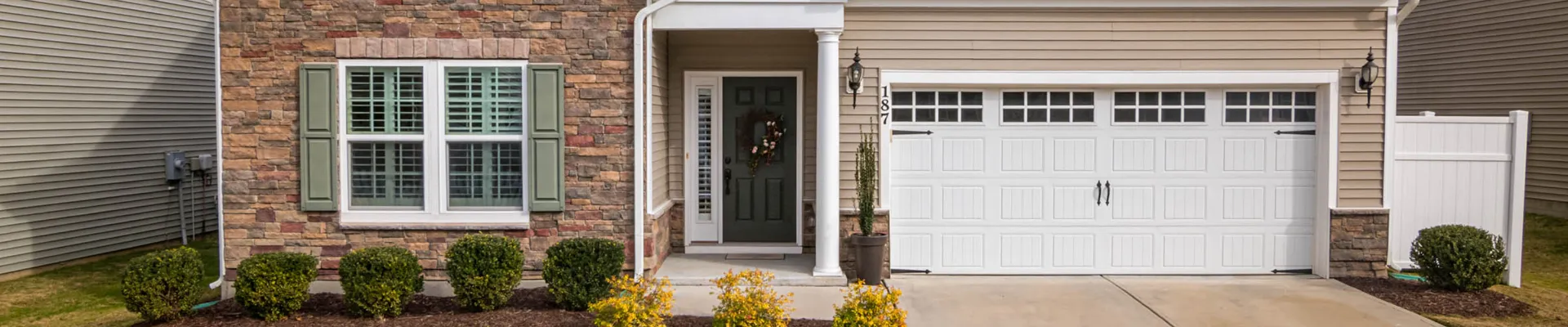
Your home should feel like the safest place in the world, but good security doesn’t come about by accident; it’s all about strong doors, proper installation, and reliable locking systems. With the right steps, you will automatically reduce risks, protect your family, and keep your home more secure every day.
Our guide will cover all you should know about securing your home: the best practices for door installation and locking, in an easy-to-understand manner.
Why Door Security Starts With the Basics
First and foremost, every homeowner should know that good security begins long before you install a lock. The way your door is built, installed, and reinforced decides how well it will protect you.
When thinking about Secure Your Home: Best Practices for Door Installation & Locking, you want to focus on creating a strong foundation that burglars simply cannot break easily.
Choose the Right Door Material
The door type selected is more important than most people think. Here are common options that are available:
- Solid Wood Doors
Beautiful, sturdy, and long-lasting. Classic choice for front doors. - Steel Doors
Very secure, affordable, and hard to pry open. - Fiberglass Doors
Weatherproof, energy-efficient, and resistant to impact.
First and foremost, your starting point in Secure Your Home: Best Practices for Door Installation & Locking is to choose a door resistant to pressure, harsh weather conditions, and daily usage.
Professional Installation Matters More Than You Think
Even the strongest door won’t help if it’s installed poorly. A bad installation leaves gaps, weak spots, and alignment issues.
Professional installation provides:
- Proper frame alignment
- Tight hinges and hardware
- Correct spacing
- Smooth motion
- No weaknesses for intruders to take advantage of
This is one of the most important parts of Secure Your Home: Best Practices for Door Installation & Locking because a strong door is only as strong as the way it is installed.
Upgrade to High-Security Locks
Your door lock is the first line of defense for your home. While it takes a few seconds to break a cheap lock, a good-quality lock will prevent most break-ins.
Best Lock Types to Consider:
- Deadbolts (the gold standard)
- Smart locks
- Keyless entry systems
- Reinforced strike plates
A primary component of Secure Your Home: Best Practices for Door Installation & Locking is choosing a lock that delays or completely prevents intruders.
Don’t Forget Accessories: Reinforcement
Sometimes small additions can make a big difference. Consider adding:
- Door jammers
- Security bars
- Hinge bolts
- Metal frame reinforcement
- Peepholes or smart door viewers
These tools strengthen your security without changing the look of your door.
Check for Weak Spots Around the Door
Even strong doors can fail when the surrounding area is weak. Get into the habit of checking:
- Door frame
- Hinges
- Latch
- Weatherstripping
- Strike plate
An essential step in Secure Your Home: Best Practices for Door Installation & Locking is identifying early signs of damage before they turn into security risks.
Improve Visibility Around Your Door
A properly lit entrance discourages intruders. Add:
- Motion sensor lights
- Smart cameras
- Wide-angle doorbells
- Pathway lighting
Good lighting is one of the easiest improvements for Secure Your Home: Best Practices for Door Installation & Locking without a big investment.
Regular Maintenance Keeps Your Door Strong
Security isn’t a one-time setup. You need to maintain it regularly:
- Tighten loose screws
- Oil hinges
- Replace worn-out weatherstrips
- Clean dust buildup
- Test smart lock batteries
These small steps keep your door performing at its best all year round.
When Should You Replace a Door for Security Reasons?
Sometimes, repairs are not enough. Replace the door when you notice:
- Warping
- Cracks
- Rust
- Loose hinges
- Repeated lock failures
An old or damaged door simply cannot protect your home properly.
Conclusion
Securing your home does not have to be complicated. With the right decisions and continued maintenance, you can create a safe, stable, and well-protected home.
Following Secure Your Home: Best Practices for Door Installation & Locking helps you build a stronger defense system that keeps intruders out and peace of mind in.
FAQs About Door Security
- Why is proper installation important in home security?
A wrong installation makes even a strong door weak. Proper installation prevents forced entry. - What kind of door is best for security?
Solid wood and steel doors are the strongest. - Does the keyword include lock upgrades?
Yes. Upgrading locks is a major factor in home security. - Are smart locks safe?
Modern smart locks are secure and offer remote alerts and control. - How often should I maintain my door?
Every 2–3 months is ideal. - Is lighting important for door security?
Absolutely. A bright entrance discourages intruders. - What is the best lock for front doors?
Grade 1 or Grade 2 deadbolts. - Can reinforcement accessories improve security?
Yes, items like bars and hinge bolts add extra strength. - Should I replace my old door if it feels loose?
Yes, a loose door is a major security risk. - Do weak frames affect door security?
Yes. A door is only as strong as its frame and reinforcement.